




Whole-Home Repiping in Pensacola, FL
Have you repaired one leaking pipe only for another leak to appear somewhere else?
Repeated leaks, aging water lines, and ongoing pressure problems may mean the issue is no longer limited to one section of pipe. Shoreline Plumbing Solutions provides whole-home repiping in Pensacola, including East Hill, as well as Gulf Breeze and Perdido Key.
A licensed Master Plumber will inspect the plumbing system and explain whether another repair makes sense or whether replacing the home’s water lines would provide a better long-term solution.
Signs Your Home May Need Repiping
One leak does not usually mean the entire home needs new pipes. Repiping may be worth considering when problems are happening throughout the plumbing system.
Common signs include:
Leaks developing in different areas of the home
Frequent pipe repairs
Visible corrosion on exposed water lines
Low or inconsistent water pressure
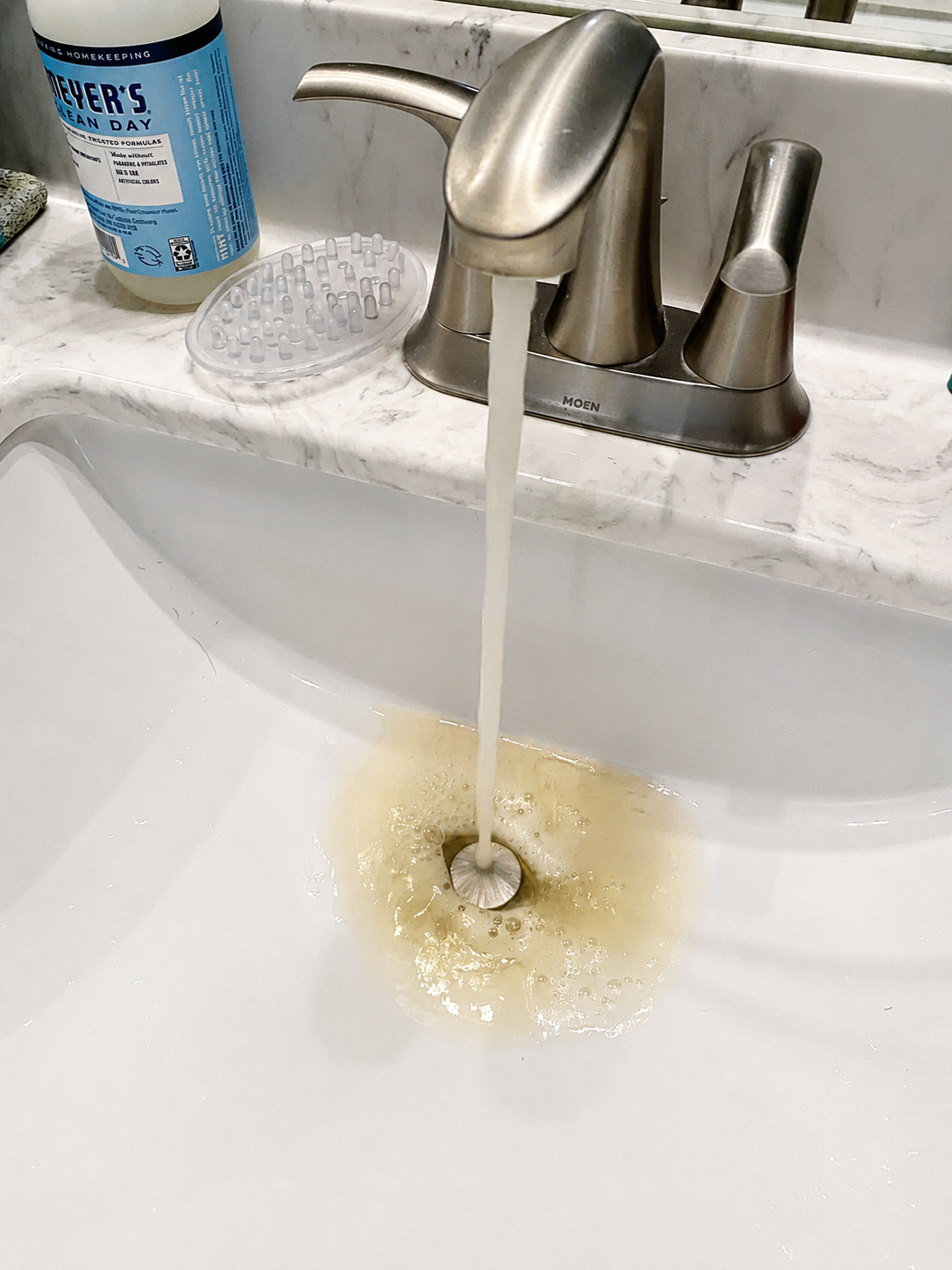
Discolored water coming from multiple fixtures
Aging pipes that continue to fail
Repair costs that keep adding up
The decision should be based on the condition of the entire water-supply system—not fear caused by one isolated leak.
Why Choose Shoreline Plumbing
Master Plumber Precision — Work completed by a licensed Master Plumber, not handed off to an apprentice.
Appointments You Can Plan Around — You get an appointment time instead of vague all-day windows.
Know the Price Before Work Begins — The approved price stays the same unless you add work or the scope changes.
Peace of Mind — Completed repairs and installations are backed by a one-year warranty.
What Is Whole-Home Repiping?
Whole-home repiping replaces the aging or failing hot and cold water lines that serve fixtures throughout the home.
This may include water lines connected to:
Kitchen and bathroom sinks
Toilets
Showers and bathtubs
Water heaters
Washing machines
Other plumbing fixtures and equipment
Repiping focuses on the home’s water-supply system. Drain and sewer pipes are separate and are not automatically included.
Pipe Repair or Whole-Home Repipe?
A smaller repair may make sense when a leak is limited to one accessible section and the remaining plumbing is still in good condition.
Whole-home repiping may be the better option when:
Leaks are occurring in several areas
The pipes show widespread corrosion or deterioration
Previous repairs have only provided temporary relief
Water-pressure problems affect multiple fixtures
Galvanized, polybutylene, or aging pipes continue to fail
The cost of repeated repairs is becoming unreasonable
Shoreline Plumbing will explain what was found and whether another targeted repair or a complete repipe is the more practical choice.
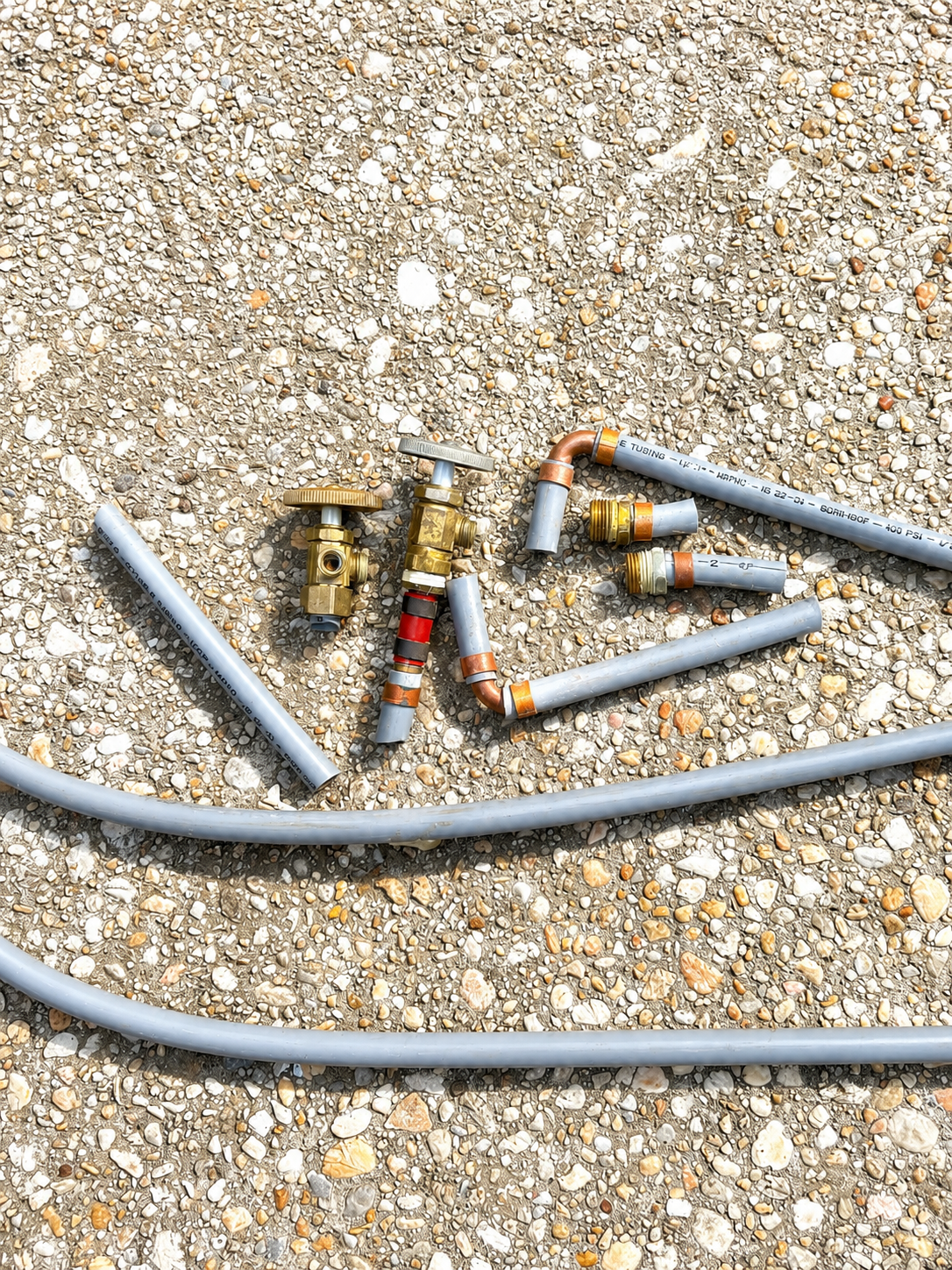
Repiping Options for Older Homes
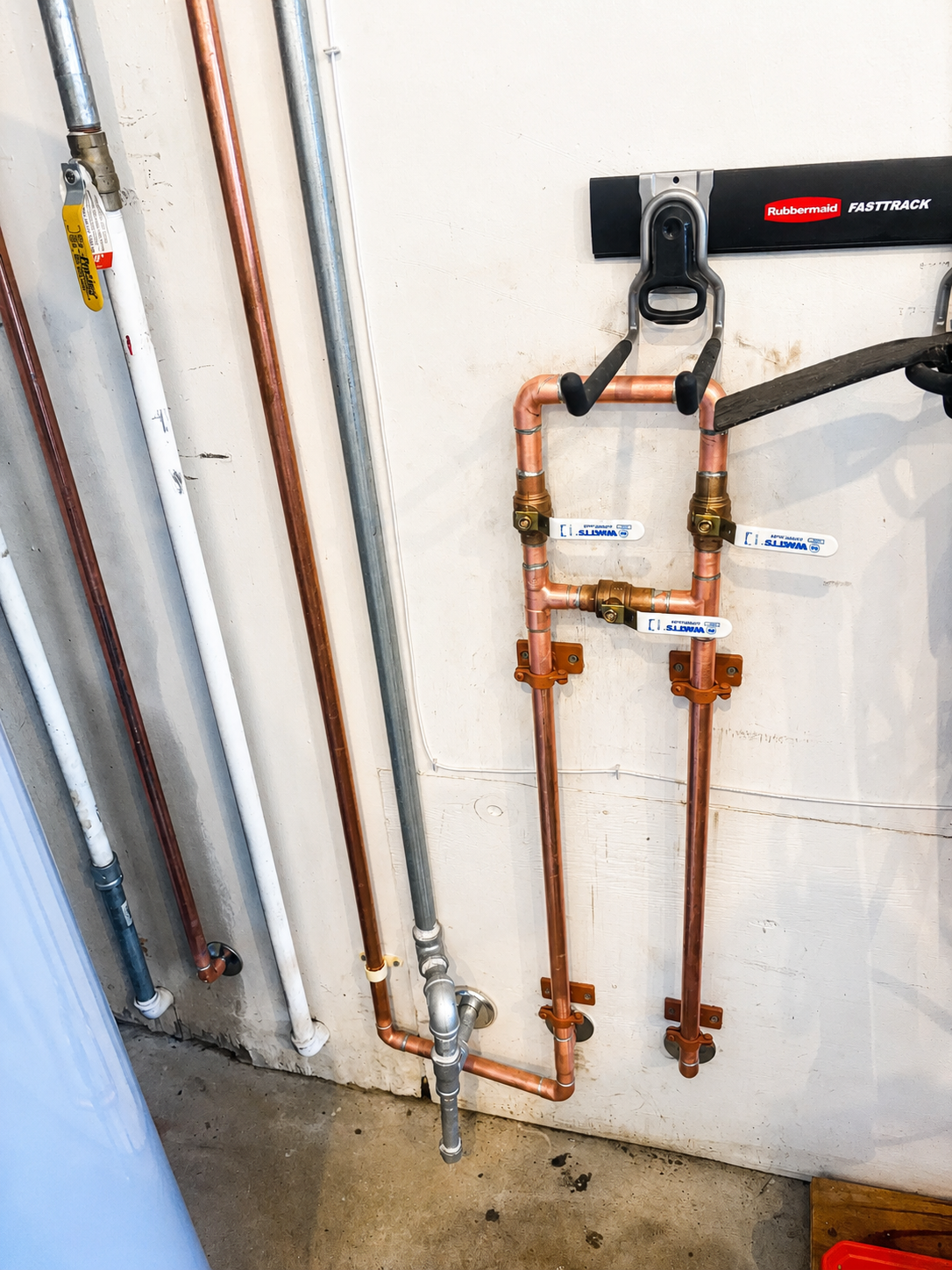
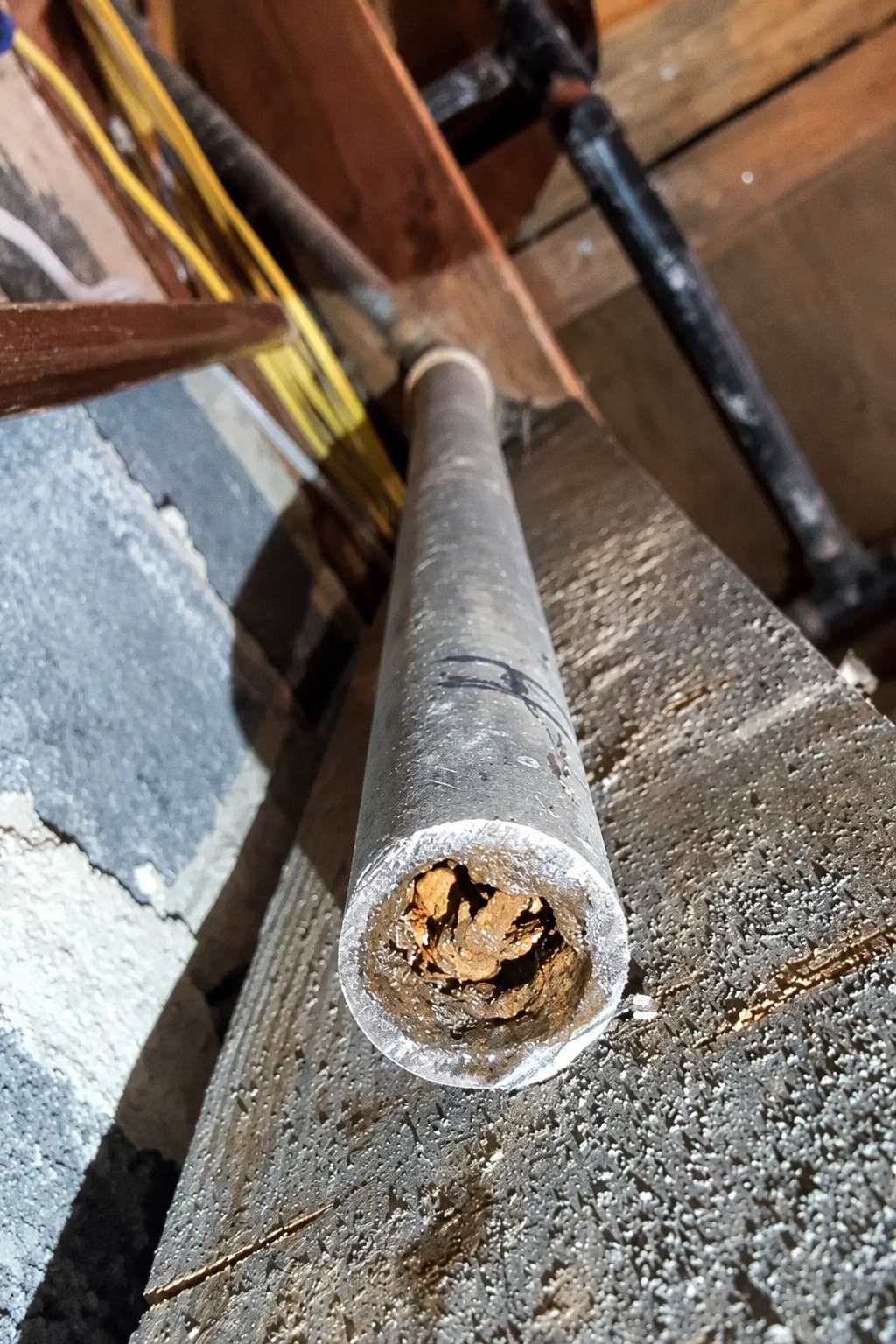
Many older Pensacola homes still have galvanized, polybutylene, or aging copper pipes. When these lines keep leaking or restricting water flow, replacing them with PEX or copper may be the better long-term solution.
Galvanized pipes: Can rust from the inside, causing low pressure, discolored water, and recurring leaks.
Polybutylene pipes: Aging pipes and fittings may become unreliable and develop hidden leaks.
PEX repiping: Flexible, corrosion-resistant, and generally faster and more affordable to install.
Copper repiping: Durable, heat-resistant, and proven over time, but usually costs more than PEX.
Shoreline Plumbing will evaluate the existing pipes, home layout, and budget before recommending the right repiping option.
What to Expect During a Whole-Home Repipe?
Every repiping project starts with a careful evaluation of the home’s existing plumbing and a clear plan for replacing the water lines.
• Inspect the existing plumbing: Review the pipe materials, condition, water pressure, layout, and access points.
• Plan the new system: Design a new PEX or copper piping layout around the home’s fixtures and plumbing needs.
• Install the new piping: Replace the aging water lines while limiting disruption to the home as much as possible.
• Reconnect fixtures and equipment: Reconnect sinks, toilets, showers, water heaters, and other plumbing equipment.
• Test the completed system: Pressure-test the new piping, check for leaks, and confirm proper water flow throughout the home.
Frequently Asked Questions
-
The timeline depends on the size of the home, the number of fixtures, pipe access, and whether PEX or copper is being installed but most residential repipes can be completed within several days.
-
Some access may be needed to reach pipes inside walls or ceilings. The planned access points and new pipe routes will be reviewed before the project begins.
-
Both materials are excellent options. PEX is often more cost-effective and flexible, while copper remains a premium, highly durable piping material with a long history of proven performance.
-
Financing may be available for qualifying repiping projects. Payment options can be reviewed before the project is approved.
-
A whole-home repipe may make sense when aging pipes keep leaking, restricting water flow, or causing ongoing plumbing problems. Replacing them can provide:
More consistent water pressure
Fewer leaks and repairs
Cleaner-looking water from deteriorating pipes
More reliable plumbing
Lower future maintenance costs
Better protection for the home
Instead of continuing to patch failing sections, repiping gives the home a new water-supply system built for long-term use.
Get Service
Serving Pensacola and nearby areas including East Hill, Perdido Key, and Gulf Breeze.
Give us a call or fill out the form.